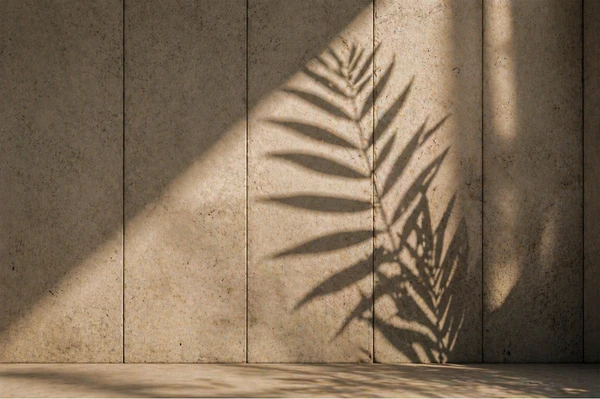

In Carl Jung’s model of the psyche, the shadow represents the unconscious dimension of the self: the repository of impulses, desires, memories, and aspects of character that an individual has repressed, denied, or simply never consciously encountered. These are the parts of ourselves that conflict with our self-image, that were deemed unacceptable by the environments in which we developed, or that carry associations with shame, fear, or confusion.
Shadow work is the deliberate process of exploring and integrating these unconscious aspects, of bringing them into the light of conscious awareness so that they can be understood, accepted, and incorporated into a more complete and authentic sense of self.
The Origins of the Shadow
Jung theorized that every individual develops a shadow as a natural consequence of socialization. As we learn the rules and expectations of our families, cultures, and communities (what is acceptable, what is valued, what must be hidden), we begin to relegate the aspects of ourselves that don’t fit these expectations to the unconscious. This is not a conscious decision but a gradual process of psychological adaptation.
The material housed in the shadow does not disappear, however. What is repressed continues to exert influence, often in ways the conscious self cannot easily recognize: through projections onto others, through disproportionate emotional reactions, through recurring patterns in relationships and behavior.
Therapeutic Applications
Therapists draw on shadow work to help clients understand the unconscious motivations and conflicts that shape their lives. When the shadow’s contents are approached with curiosity rather than shame, and integrated rather than re-suppressed, individuals develop a richer and more honest relationship with themselves. Internal conflicts that have been consuming energy in unconscious ways begin to resolve, and the capacity for genuine self-knowledge deepens.
Integrating the shadow does not mean acting on every impulse that has been repressed; it means acknowledging and understanding those aspects of the self with enough compassion that they no longer need to operate covertly.
Common Practices
Shadow work employs a range of approaches:
- Journaling: Writing freely about dreams, reactions, projections, and patterns can bring unconscious material closer to the surface.
- Meditation and contemplation: Creating space for non-judgmental self-observation allows shadow contents to emerge more gently.
- Dream analysis: Dreams frequently give symbolic expression to shadow material that the waking consciousness is not yet ready to receive directly.
- Reflective self-inquiry: Examining strong emotional reactions, habitual judgments of others, and repeating life patterns as potential windows into shadow content.
The Challenge and the Reward
Shadow work is genuinely demanding. It asks us to look honestly at the aspects of ourselves we have most wanted to deny, to encounter, with curiosity and compassion, what we have most thoroughly hidden. This requires courage, patience, and often the support of a skilled therapeutic relationship.
The rewards are commensurate with the challenge. Those who engage seriously with shadow work typically report heightened self-awareness, more authentic and satisfying relationships, reduced internal conflict, and a deeper sense of meaning and fulfillment. When we stop spending energy maintaining the wall between the conscious and unconscious self, that energy becomes available for living.
Reference
Jung, C. G. (1971). Psychological Types. Princeton University Press.
Clarity Therapy offers therapeutic support for shadow work and depth psychological exploration. We invite you to reach out if you are ready to engage more honestly with all of who you are.