
The relationship between nature and the human psyche has occupied psychologists, ecologists, and philosophers for generations. Virginia Satir and Carl Jung both drew on this connection in their work, offering distinct but complementary accounts of how the natural world supports mental health and psychological depth.
The Healing Power of Nature
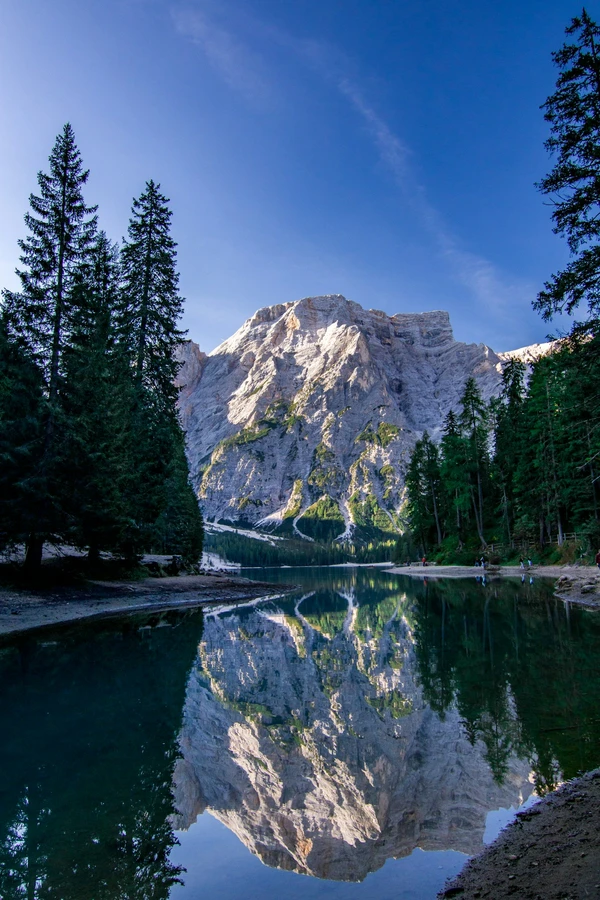
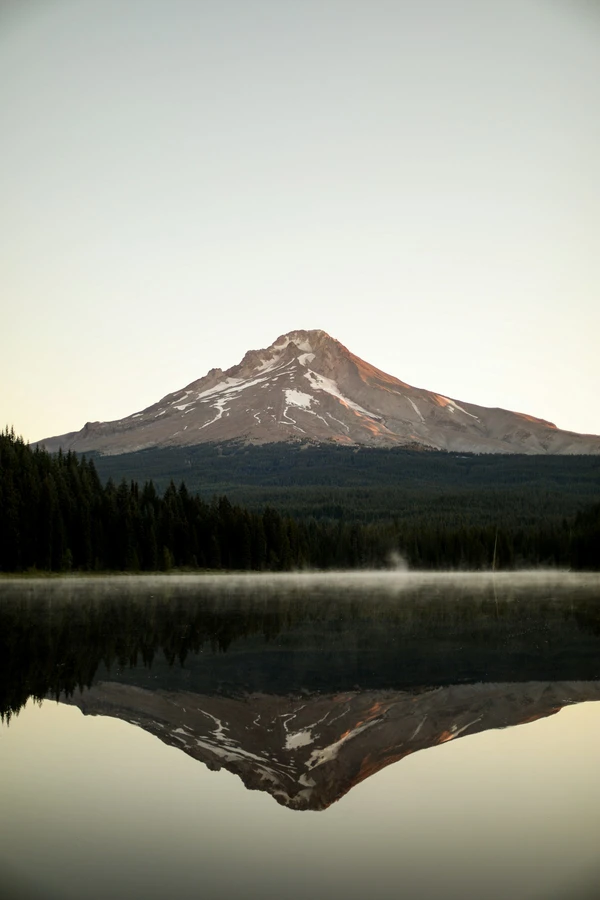
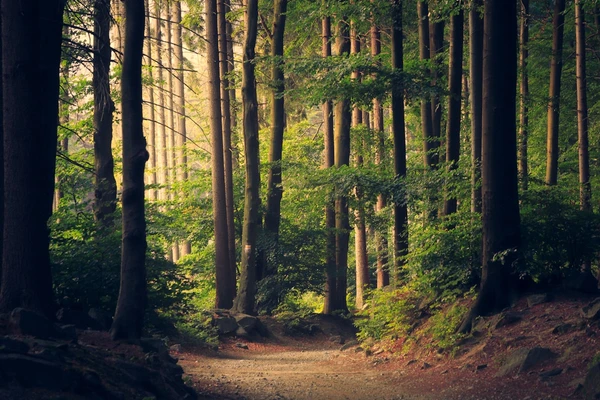
Nature has an innate ability to heal and rejuvenate the human spirit. The tranquility of a forest, the rhythmic ebb and flow of ocean waves, and the expansive beauty of a mountain landscape can evoke a sense of peace and wonder that is difficult to replicate in any other setting. This deep pull toward the natural world, often referred to as “biophilia,” suggests that humans have an inherent inclination to seek connection with nature, one that likely reflects our evolutionary history as creatures formed within and sustained by natural environments.
Virginia Satir’s Perspective
Virginia Satir, a pioneering figure in family therapy, often spoke about the importance of grounding oneself in nature to find balance and harmony in life. She believed that nature provides a unique environment that fosters growth and healing, one that holds us without judgment and invites a quality of presence that is difficult to maintain amid the pressures of social life.
Satir’s often-quoted observation that “Problems are not the problem; coping is the problem” underscores her conviction that our coping mechanisms, including those involving our relationship with the natural world, are central to how we manage life’s inevitable challenges. When our coping includes time in nature, the resources available to us expand meaningfully.
Carl Jung’s Insights
Carl Jung, a founding figure of analytical psychology, deeply valued the connection between nature and the psyche. Jung believed that nature holds a mirror to our inner selves, reflecting our deepest thoughts and emotions in forms that bypass the defenses of the conscious mind. He emphasized the symbolic relationship between natural phenomena and the contents of the unconscious: the forest as the unknown interior, water as the depths of the psyche, seasons as the cycles of transformation.
Jung wrote, “The least of things with a meaning is worth more in life than the greatest of things without it.” For Jung, nature was inexhaustibly meaningful: a living symbolic language through which the unconscious speaks, and through which the human soul finds its orientation.
Psychological Benefits of Nature
Contemporary research has confirmed what philosophers and healers have long intuitively understood:
Stress Reduction: Time in natural settings measurably reduces salivary cortisol and activates the parasympathetic nervous system, promoting physiological relaxation (Ulrich et al., 1991; Park et al., 2010). These effects are detectable even in relatively brief exposures.
Improved Mood: Nature exposure is consistently linked to improved mood and emotional well-being. Activities as simple as walking in a park or tending a garden can meaningfully enhance feelings of happiness and contentment.
Enhanced Creativity: Immersion in natural environments stimulates cognitive networks associated with imagination and problem-solving. The brain, freed from the constant demands of directed attention, enters a more expansive mode that supports innovative thinking.
Mental Clarity: Nature provides relief from the relentless stimuli of modern life, allowing the mind to rest and reorganize. This restorative quality leads to greater focus, clearer thinking, and improved capacity for sustained attention.
Practical Ways to Reconnect with Nature
Nature Walks: Regular walks in natural settings (parks, forests, trails near water) can produce sustained benefits for mental well-being. Even brief exposures, practiced consistently, accumulate into meaningful change.
Gardening: Engaging with soil and living plants offers a tactile, immediate connection to natural processes. The rhythms of growth and tending create a sense of participation in something larger than oneself.
Outdoor Activities: Hiking, camping, bird-watching, and other activities that bring sustained attention to the natural world deepen the relationship between self and environment.
Mindfulness in Nature: Practicing mindfulness while outdoors (meditative walking, sitting quietly in a garden, conscious observation of natural sounds and sensations) amplifies the psychological benefits of both practices.
What Satir, Jung, and contemporary researchers all point toward is the same basic reality: the natural world is not merely backdrop. For many people, it is a genuine resource for psychological repair. As Jung wrote, the smallest things in nature, imbued with meaning, can greatly enrich our lives.
References
Jung, C. G. (1963). Memories, Dreams, Reflections. Pantheon Books.
Park, B. J., Tsunetsugu, Y., Kasetani, T., Kagawa, T., & Miyazaki, Y. (2010). The physiological effects of Shinrin-yoku (taking in the forest atmosphere or forest bathing): Evidence from field experiments in 24 forests across Japan. Environmental Health and Preventive Medicine, 15(1), 18–26.
Satir, V. (1988). The New Peoplemaking. Science and Behavior Books.
Ulrich, R. S., Simons, R. F., Losito, B. D., Fiorito, E., Miles, M. A., & Zelson, M. (1991). Stress recovery during exposure to natural and urban environments. Journal of Environmental Psychology, 11(3), 201–230.